





What You Actually Need Before a Puppy or Kitten Arrives
New-pet checklists tend to be long because they are written to sell things. Here is what genuinely gets used in the first fortnight, and what can wait.
Before they arrive
- The same food they are already eating. Get at least a week of it. Changing home and food at once is how you get diarrhoea on day two. Transition later, gradually, over about a week.
- Two bowls, shallow and wide. Weighted ceramic or stainless steel.
- A bed in a quiet corner, not in the middle of the household.
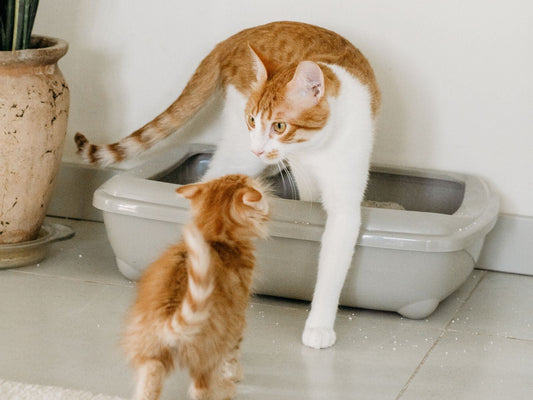
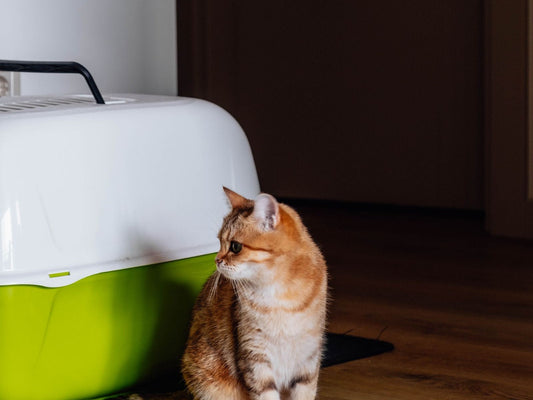
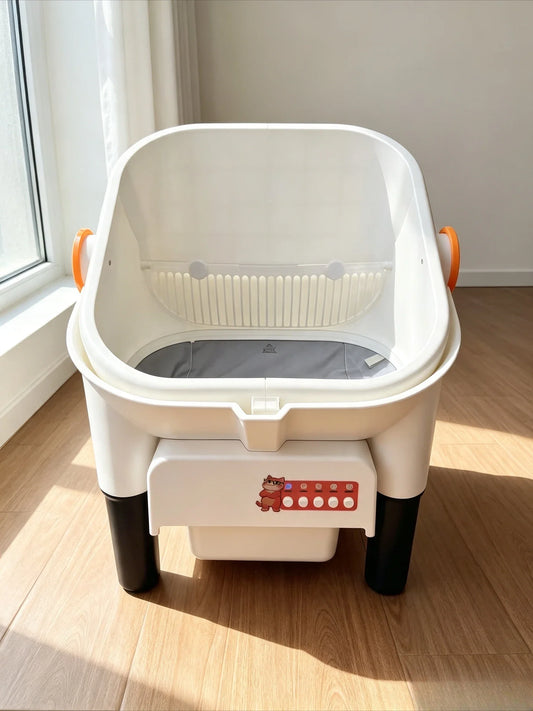
- Kittens: a litter tray with a low step-in side, and the same litter the breeder or shelter used. One tray per cat plus one spare.
- Puppies: a flat collar with an ID tag, a lead, and a harness that does not press on the throat.
- Something to chew that is legal, so the alternative is not your furniture.
- Cleaning supplies with an enzymatic cleaner. Ordinary cleaners leave a scent marker that invites a repeat in the same spot.
Can wait
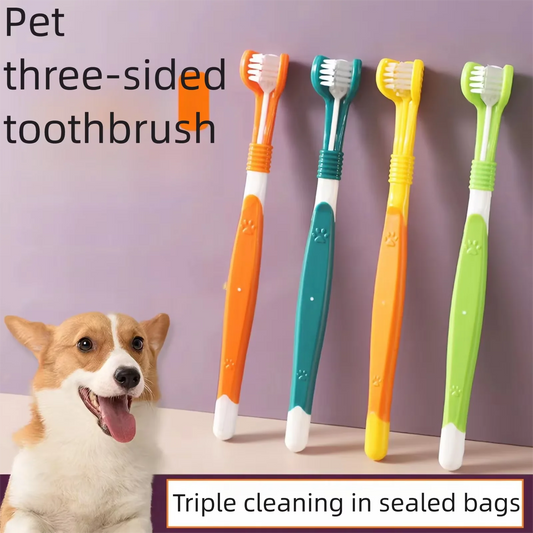
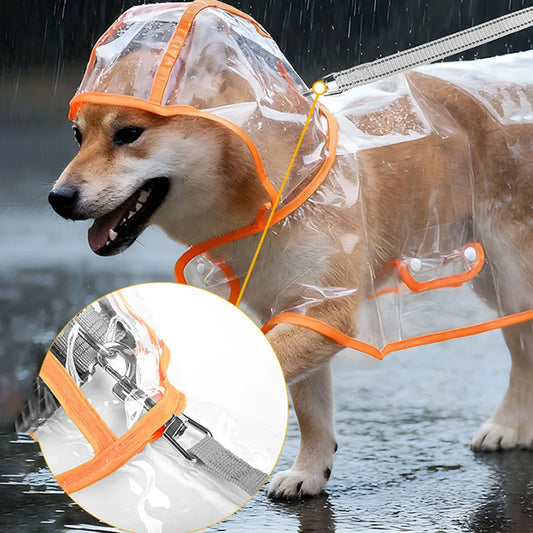
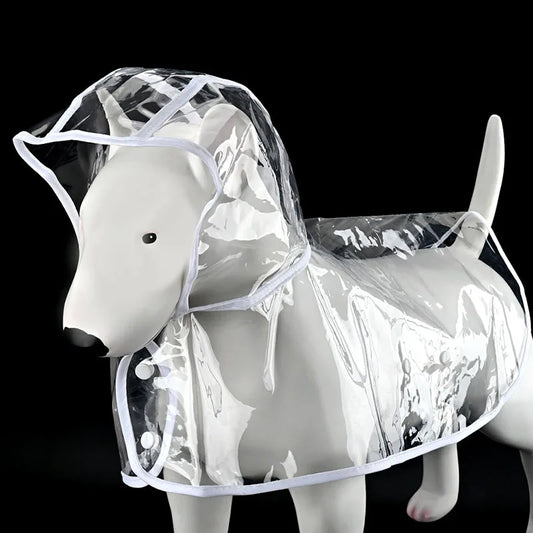
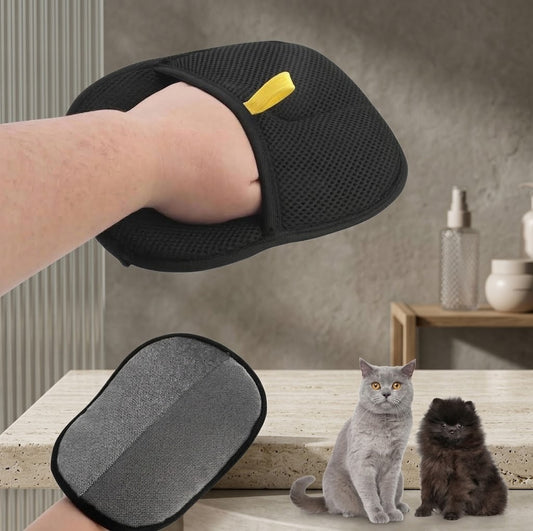
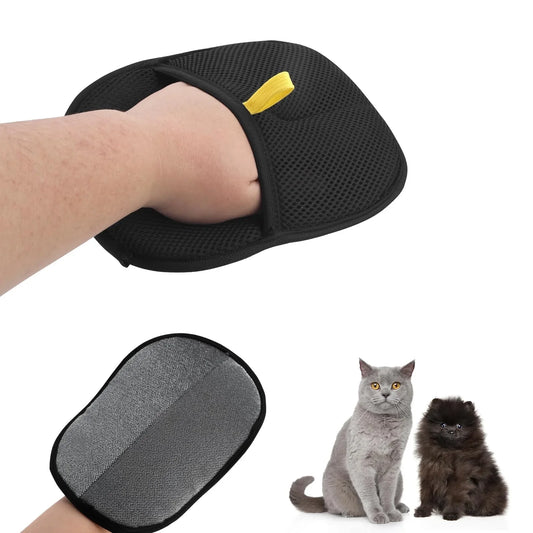
Coats and clothing, a second bed, most toys, grooming kit beyond a basic brush, and anything sized for their adult body. They grow out of things fast and you do not yet know what they like.
Week one, in practice
- Keep them in one or two rooms at first. A whole house at once is overwhelming.
- Expect broken sleep for several nights. This is normal and it passes.
- Book the first vet visit in the first few days — vaccinations, worming, and a weight to measure future growth against.
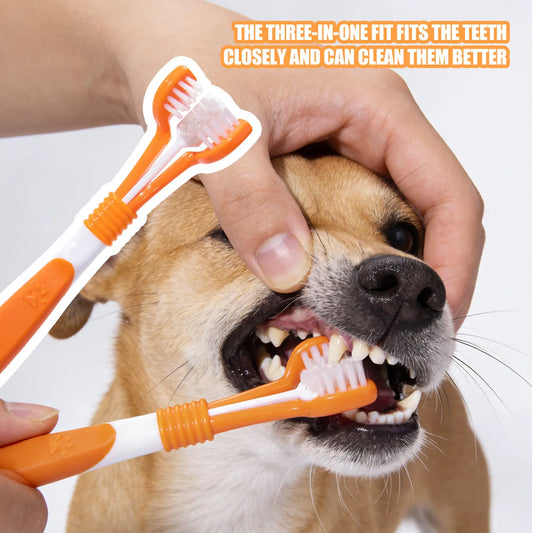
- Start handling paws, ears and mouth gently from day one. It makes nail trims and vet visits far easier for the next fifteen years.
The thing worth spending on
If you buy one better-quality item, make it the thing they use most hours per day: the bed. Toys get destroyed and replaced; a bed that holds its shape does not.
The TinyPet is a shop, not a veterinary practice. This article is general information, not veterinary advice. For anything medical — especially sudden changes in eating, drinking, toileting or behaviour — see a vet.
Tags:
Related articles


Lick Mats: Do They Actually Calm a Dog Down?
Aug 25 2026
How Many Treats Can a Small Dog Actually Have?
Aug 25 2026
Slow Feeder Bowls: Do They Actually Help?
Aug 19 2026