


Open or Covered Litter Box: What Cats Actually Prefer
Covered litter boxes sell well because they solve a human problem: they hide the mess and trap some of the smell. The question owners actually ask is whether the cat minds.
What the research says
When researchers have given cats free choice between an open pan and a hooded one, with everything else held equal, most cats show no strong preference. The variable that mattered far more was how often the box was scooped.
That is the honest headline: a clean covered box beats a dirty open one, and a clean open box beats a dirty covered one. Cover type is a distant second to cleaning frequency.
When a cover becomes a problem
- Large cats. A cat should be able to turn around fully and stand without touching the roof. Many hoods are built for a 4 kg cat.
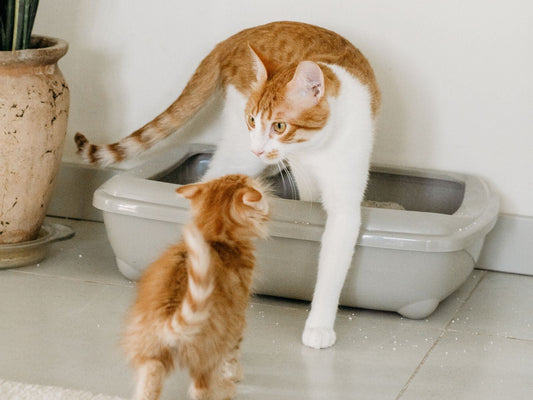
- Multi-cat homes. A hood has one exit. A cat that gets ambushed on the way out may stop using the box entirely.
- Older cats. Arthritic cats struggle with high entry lips more than with covers. Look for a low step-in side.
- Odour build-up. A hood concentrates ammonia inside, which the cat smells long before you do.
A practical rule
Box length should be about 1.5x your cat's body length, nose to base of tail. Most boxes sold as "large" are smaller than that. If you buy only one thing based on this article, buy a bigger box rather than a different lid.
If your cat has stopped using the box
Sudden avoidance is a medical sign before it is a behaviour problem. Urinary issues are common, painful, and can become an emergency in male cats. See a vet first, then look at the box.
Tags:
Related articles

Lick Mats: Do They Actually Calm a Dog Down?
Aug 25 2026
How Many Treats Can a Small Dog Actually Have?
Aug 25 2026
Slow Feeder Bowls: Do They Actually Help?
Aug 19 2026